Nature and Art

Our day was devoted roughly equally to nature, all of it great, and art, not all of it so good….

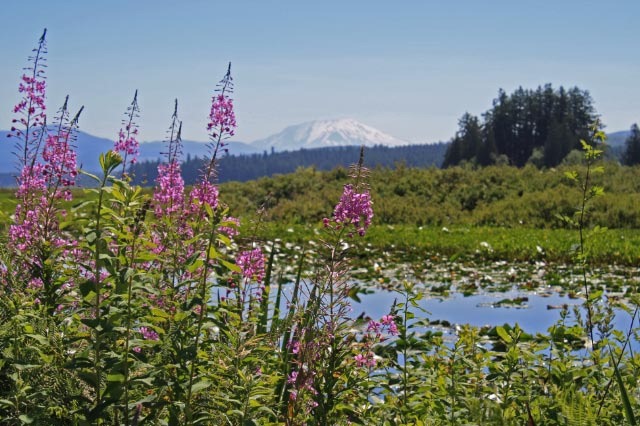
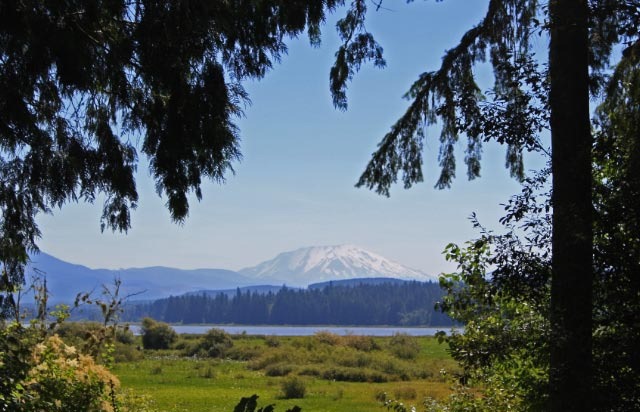
We had a lovely breakfast at Ellen and Mike’s. Ellen and I also took all the dogs out for a stroll through the neighborhood. John and I packed up, and we headed over the bridge towards Washington. Our first stop there was the Mount Saint Helens Visitor Center. The National Park Service runs the actual eruption site, and the Parks people are notoriously hostile to dogs, so we knew we could not actually get close to the mountain itself. But we still had a nice view of the peak from there.

IMG_0189

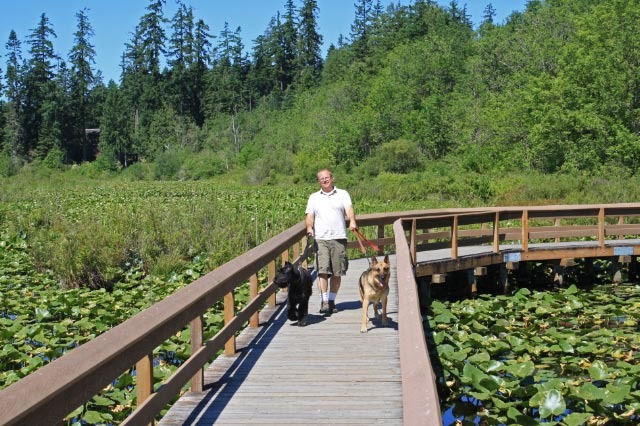
There was also a nice half mile or so hike around Silver Lake near the Visitor Center.  This is a nice marsh and the interpretive materials were interesting. Not that the dogs were all that fascinated, I am sorry to say.

IMG_0197

IMG_0200

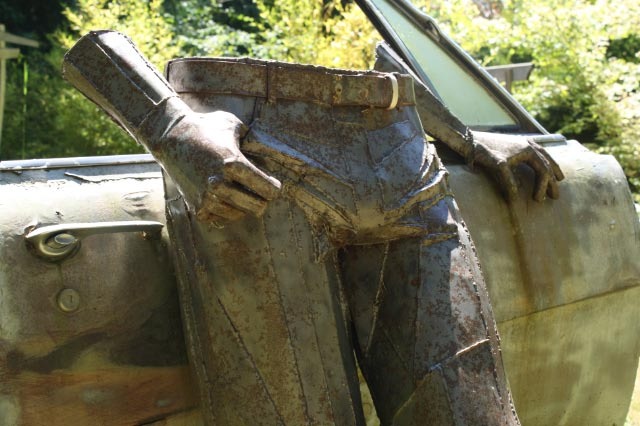
We continue on from there to the Monarch Contemporary Art Center and Sculpture Garden near Olympia. This is a pretty bizarre place, definitely off the beaten track. It consists of several acres of gardens, much of it weedy and overgrown, with lots of various bits of modern art scattered throughout it. Some of this seems like it is done by serious artists, and other things seem like they were done as therapy in a divorced women’s support group. We did find some things we liked there like this car door with a half of a guy waiting there.

IMG_0255

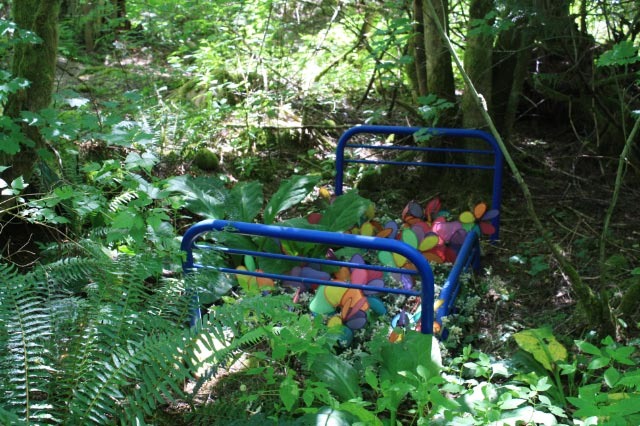
Other things were a bit whimsical such as this installation below. It’s a “flower bed” – get it?

 IMG_0219

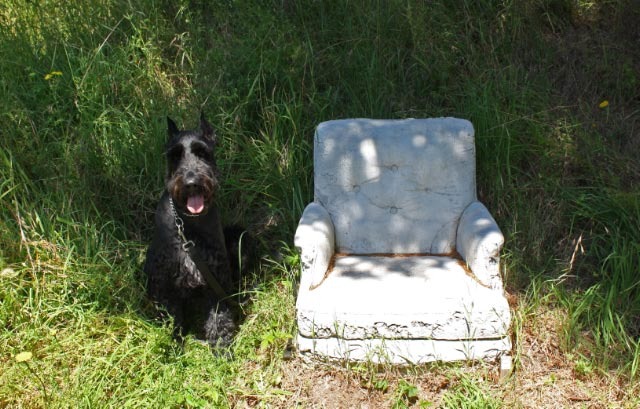
We thought that this was actually just an old recliner which had been dumped in the back until were came close and realized it was actually made of cement. Edie was a good girl and for once did not sit on the furniture.

IMG_0252

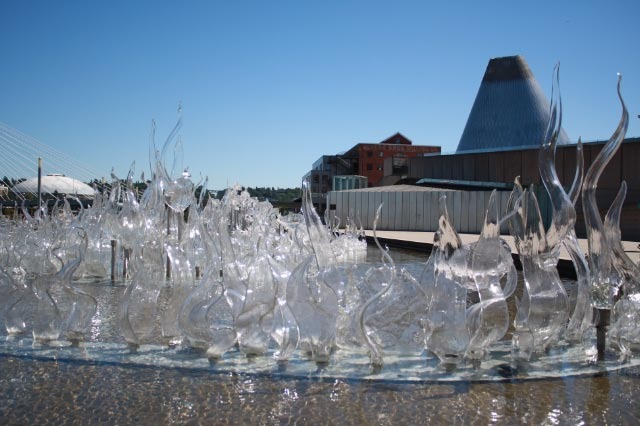
From there we went on to Tacoma where we went to the Museum of Glass. John had been there about 10 years ago when it first opened and he was interested in coming back. When he was there before the place was packed. We arrived fairly late in the afternoon and it was pretty deserted. The building itself is interesting. It has broad public plazas on its roof which look down toward the water. There are a couple shallow pools as well, and one of them is always the site of an installation by a visiting artist.

IMG_0259

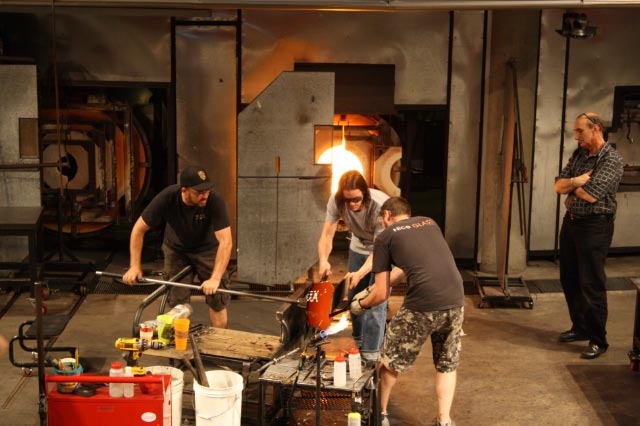
There is not a whole lot of art in the galleries, nor is that the main attraction. Most people come to see the “hot box” where the staff of the museum and visiting artists produce works of art. Even I had to admit this was pretty fun.

IMG_0281

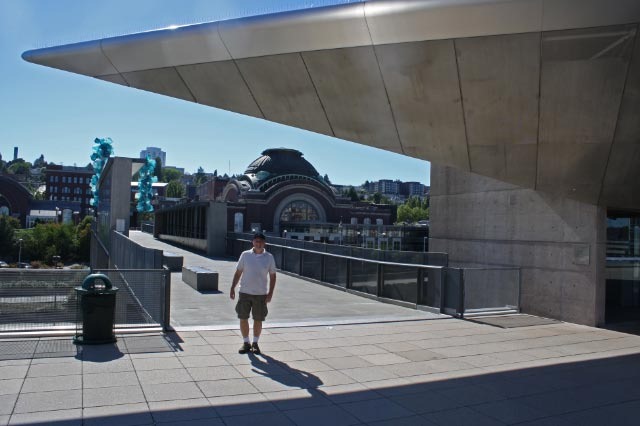
The Museum of Glass is separated from the rest of downtown Tacoma by railroad tracks and roadway. Part of the Museum is the “Bridge of Glass” which links the two areas. In the picture below you can see the old Union Station on the far side by the railroad tracks. It is now a U. S. District Courthouse. Near it is the Museum of Washington History and the Tacoma campus of U-W.

IMG_0287

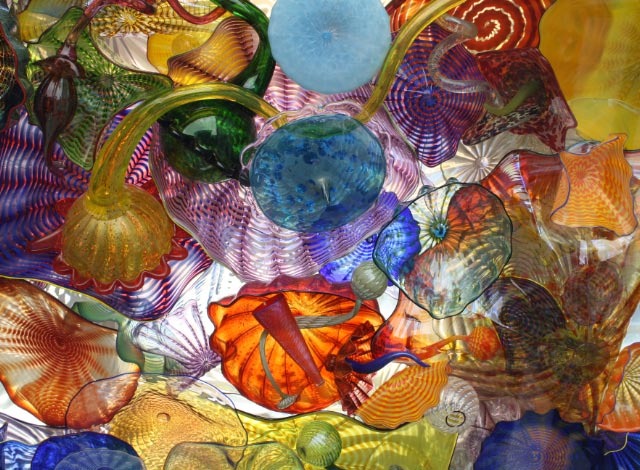
The Bridge of Glass features the colorful work of Dale Chihuly. 

IMG_0292

We cruised around Tacoma a little after this looking in a park and finding an very attractive older nieghborhood. But from there it was time to press on to our stop for the night in Gig Harbor.

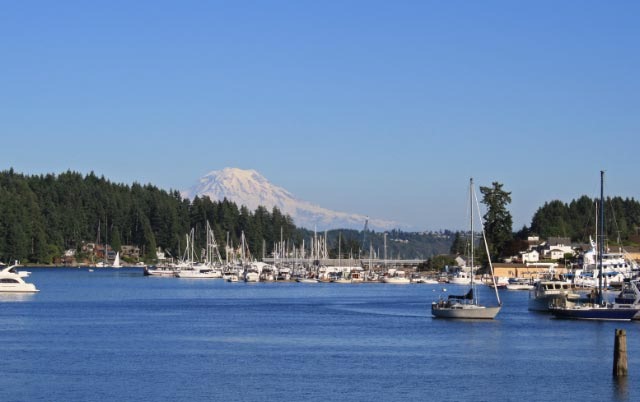
When I lived in Long Beach, Gertie, the older lady who lived across the street, moved to Gig Harbor to be with her daughter. Before she left, she showed me a pretty post card of the town with sailboats in the harbor and snowcapped Mt. Rainier in the background. I must say the postcard was absolutely accurate:  this is exactly what you see when you come to Gig Harbor.

IMG_0303

We had an adequate meal at a small cafe. When you have dogs with you, it’s not always easy to get a seat at a restaurant, even if they have an outdoor area, so you take what you can.

On the Trail in Oregon

We had a decent evening in Mount Shasta. John went to the nearby Round Table Pizza – Siskiyou County is not exactly foodie heaven – and we had our supper outside the hotel room while the dogs chomped on pigs ears. They possibly may have had the better meal….

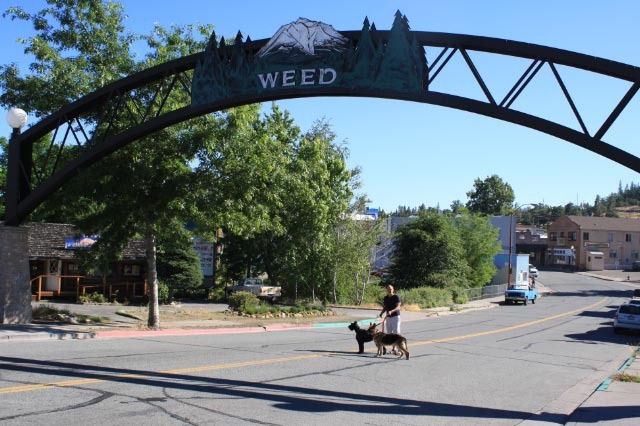
In the morning we packed the car and headed north. Our first stop was Weed. John and I stayed near hear about 25 years ago when it was still a lumber town and a pretty wild place. Only a few traces of this era remain. In fact, the town is pretty much either dead or dying as far as we could see. But we did have a pleasant chat with the lady at the chamber of commerce office.

IMG_0116

We had thought of heading up Mt Shasta into the snow, but we learned that they did not allow dogs. So we decided to just continue on into Oregon.

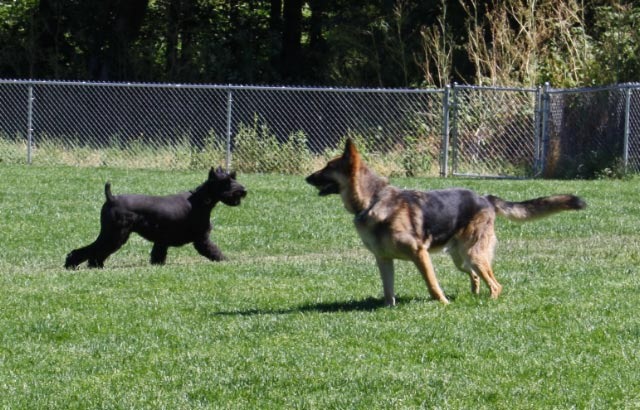
After driving a couple hours, it seemed like the dogs deserved a little break. So we went to our favorite dog park in southern Oregon, the one just off Helman Street on the north side of Ashland. The dogs stood alert as we started to come close to it, and we could tell that they remembered this place well.

IMG_0128

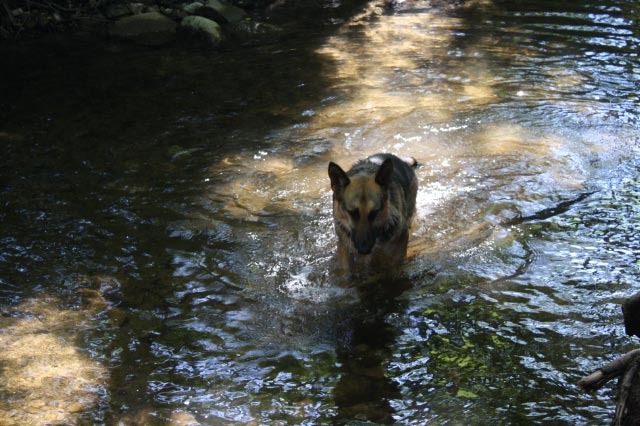
In fact, they remember that they favorite part of this park is Bear Creek which runs behind the far portion of the park. They ran towards the the gate there and waited for us to let them out to play in the water.

IMG_0146

We let them dry off a bit and headed north on Interstate 5. It always surprises me how long it takes to get from one end of Oregon to another. We thought about stopping along the way at the Oregon Garden, but decided that they really was not enough time. We did stop briefly in Eugene to go to Starbucks and we let the dogs play in a dog park near the university stadium there.

We came into Portland about five o’clock. We had been here only a couple weeks ago for our Six Traits of Writing workshop, so it felt sort of like coming home. Mike, my brother-in-law, was a gracious host as he always is.

IMG_0169

My sister Ellen had just returned from East Africa where she had been leading a group of American students in a study abroad class. She was watering her fabulous vegetable garden when Eli had to play in the spray. He loves to bite at the water as it come out of the hose. It is even more fun than a tennis ball!

IMG_0183

Tomorrow we will be on to Washington. 

Away We Go

We covered a lot of territory today. We packed the car last night, and we pulled out of the house at about 6:30. Traffic was not bad in the direction that we were going, but we did pass a bad accident on the other side of the highway in the Newhall Pass where to big rigs had collided into each other. They were still spraying foam on the fire as we passed.

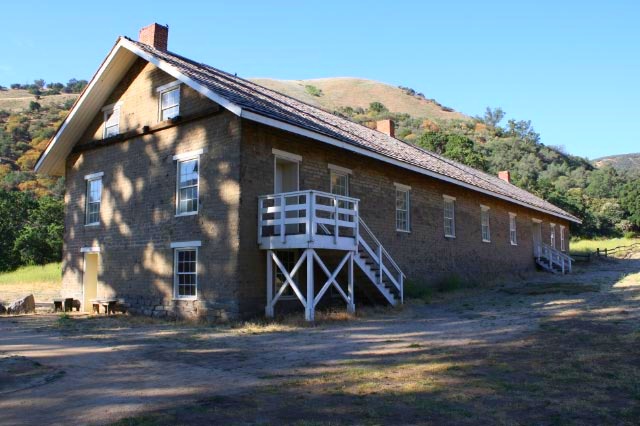
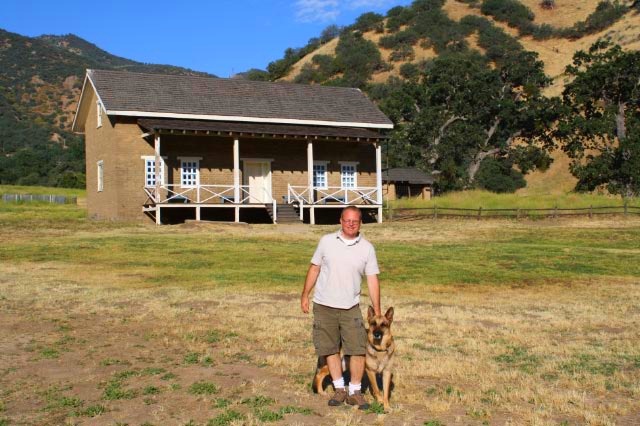
Shortly after this, we stopped at Fort Tejon State Historic Park. This was the place where the U. S. Cavalry Dragoons were stationed from 1854 to 1864 to protect white settlers from attacks from the Paiute and the Mojaves. Most famously, the army experimented with the use of camels at this and nearby forts during that period.

We saw no camels there or even a ranger. It was still early enough in the morning that we wandered around freely and let the dogs do the same. The buildings here are reconstructions.

IMG_0010

IMG_0021

We went back in the car and headed towards Sacramento. In Dear Mr. Henshaw, Lee Botts, the narrator, described highway 5 as a stretch of road so boring that the cows forget to moo. It certainly is not an interesting or attractive route, but it is relatively quick. We made good time and arrived in Sacramento a little after noon.

We had lunch with our friend Dan Story at a charming outdoor cafe a few blocks from the state capitol.

IMG_0023 Dan is in the middle of renovating his downtown townhouse/loft, and he is doing really great things with it. So of course we spent a lot of time talking about renovations and real estate. Dan is a bartender at one of the restaurants most frequented by assemblymen and lobbyists, and he always has some great off-the-record stuff about what is happening in state government, too.

After Sacramento, we continued on towards the northern part of the state. We had already decided that Mt. Shasta was about as far as we wanted to go this first day and I had made reservations at a dog-friendly motel some days ago. So, instead of rushing directly to our room, we explored some of the parks near Mt. Shasta.

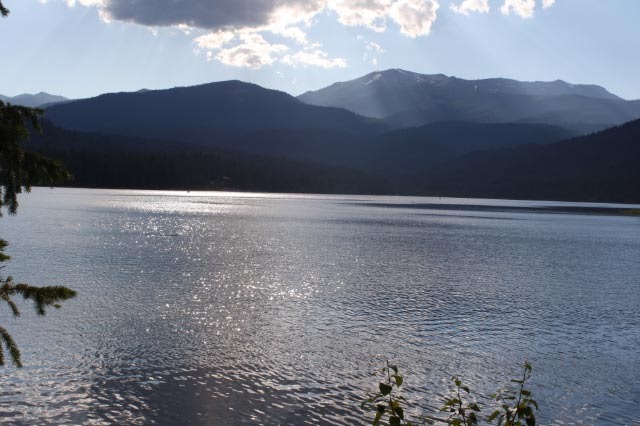
The first was Lake Siskiyou. It was awfully pretty, but there really was not much for the dogs to do there.

IMG_0026

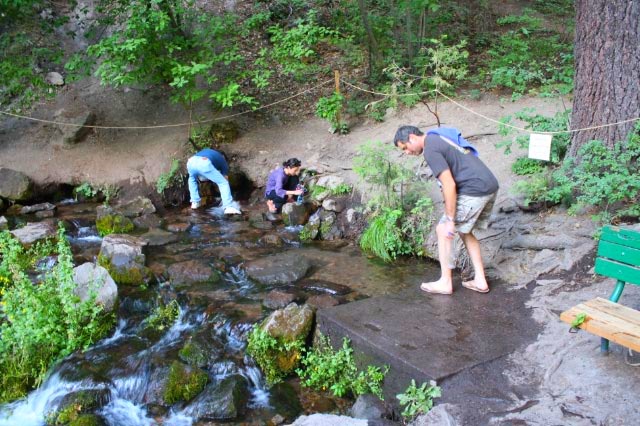
So we continued on to Mt. Shasta city park. This is famous as the headwaters of the Sacramento River. The people in the picture below are getting the water as it comes rushing out of the spring which feeds the river. This is snow melt straight off the mountain. The water is pure, sweet, and extremely cold.

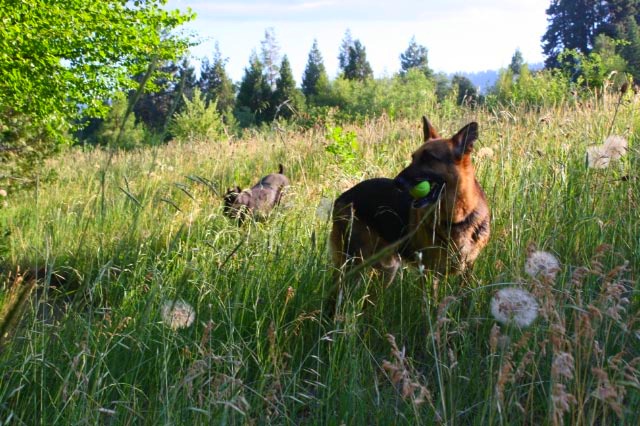
IMG_0109 Here there were lots more places for the dogs to play around. They went in and out of the water and frolicked through the fields.

IMG_0096

I was wearing tennis shoes instead of sandals, so I let John get wet this the pups.

IMG_0056 We were also impressed with some of the native flora that we saw growing along the banks of the river.

IMG_0072

Tomorrow, on to Portland. 

Too Soon!

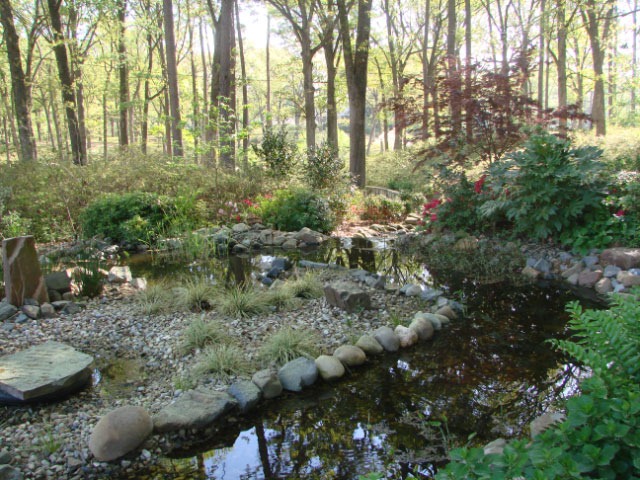
Too soon indeed our Louisiana adventure had to come to an end. On our final day in Shreveport, Sherry took us to a nearby park. It is not a city park; a local family has their art museum there and maintains the grounds around it as a public space. It is hard to imagine that happening in California. The azaleas were not blooming as wildly yet as Sherry hoped – they probably needed about another week of sunshine and warmth for that – but the park was still stunningly beautiful.

2010 04 03_0112

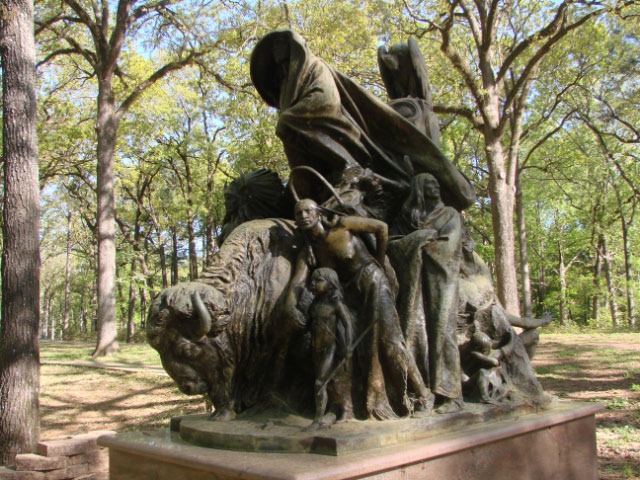
There are bronze statues throughout the park like this tableau about the American West.

2010 04 03_0116 

And there are Sherry and I and, in her arms, Taboo.

2010 04 03_0114

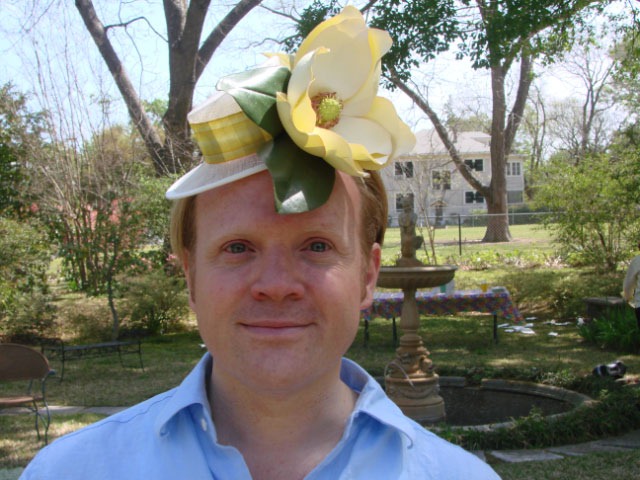
Sherry wanted us to stay for the afternoon because she was hosting the Easter Bonnet party, a fundraiser for a local LGBT group. I am sure it would have been fun, but American Airlines wanted to charge us about the price of the original ticket for changing flight times. So we reluctantly had to leave for Dallas a little before noon. Sherry’s friend James who was setting up for the event gave us a little taste of some of the imaginative haberdashery that would have been on display later in the day.

2010 04 03_0123 And Sherry’s mom Shirley was going to be one of the judges for the contest along with Tom Giles’ mother. I adore Shirley.

2010 04 03_0125 

The drive to Dallas went uneventfully and our flight left and arrived on time. So, gentle readers, I am signing off until the next time John and John are on the road – again!

Briarwood and Natchitoches

I woke up early as usual, and did some work on pictures and things for school. About eight, there was a whir of activity and everybody else jumped out of bed and drank some coffee. We were supposed to leave right around that time for Briarwood, a nature preserve near Natchitoches where we had reservations for a ten o’clock tour.

It took us a while to get there, and I must say the GSP was pretty helpful. We went through a number of small towns as we went over two lane rural highways. We finally turned down a dirt road, and, after a few hundred feet, we were there.

Briarwood is one of the few strands of old growth forest left in Louisiana. Here you can get a sense of what northern Louisiana looked like before the French arrived in the mid-eighteenth century.

2010 04 02_0087

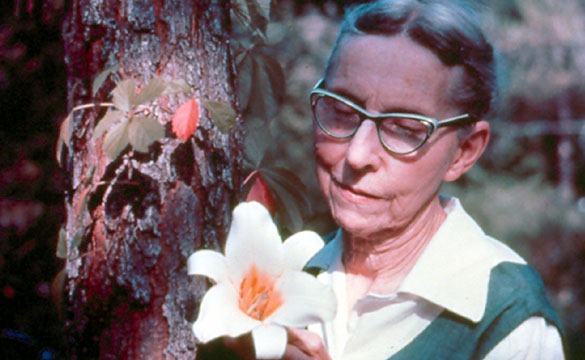
Briarwood was the childhood home of Caroline Dormon. Starting in the mid 1930’s, Dormon collected information about the plants and animals of Louisiana. She took pictures, collected specimens, and wrote volumes about her discoveries. Here is a picture of Miss Dormon – she never married – in her later years.

caroline

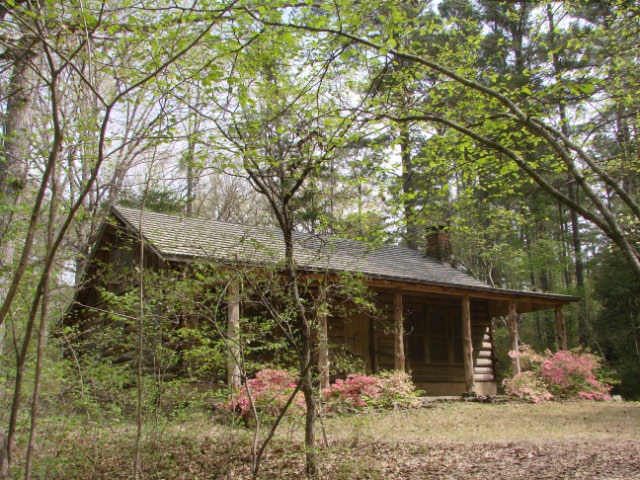
Briarwood was her home throughout most of her life, and she lived here in a small cabin. For much of the time she lived there, she had no electricity, and she only grudgingly allowed a phone line late in her life when her friends feared for her health living alone in the woods. Her house is still preserved much as it was when she lived there.

 2010 04 02_0083

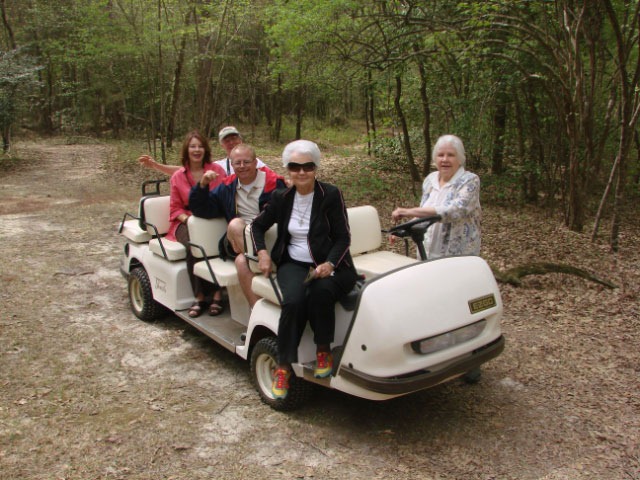
We had Jessie, a very knowledgeable tour guide to take us through the 350 acre preserve and show us the native plants.  Caroline Dormon not only preserved the forest at Briarwood, but she planted native plants from around Louisiana and the south in a natural woodland environment. Briarwood is remarkable because it is a botanical garden which looks nothing the near rows of carefully label plants that we think of when we hear the words “botanical garden”. Jessie helped us to see plants which we might have otherwise not observed and explained about each. She drove us around in an electric cart.

In the picture below, Jessie is the woman on the right side by the steering wheel. The woman in front is Shirley, Sherry’s mother. Sherry Kerr and Tom Giles are in the back.

2010 04 02_0060

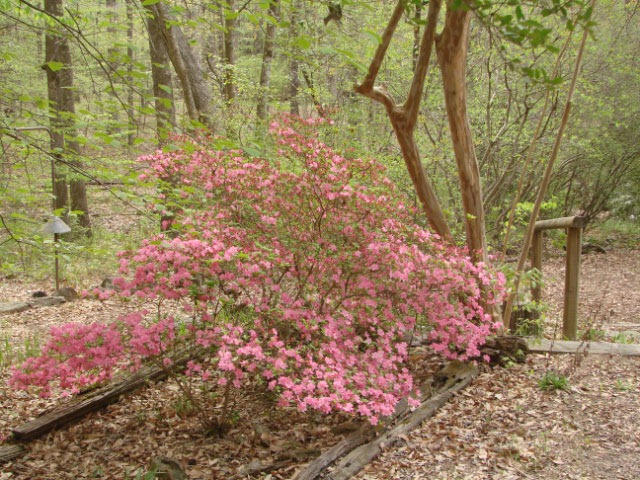
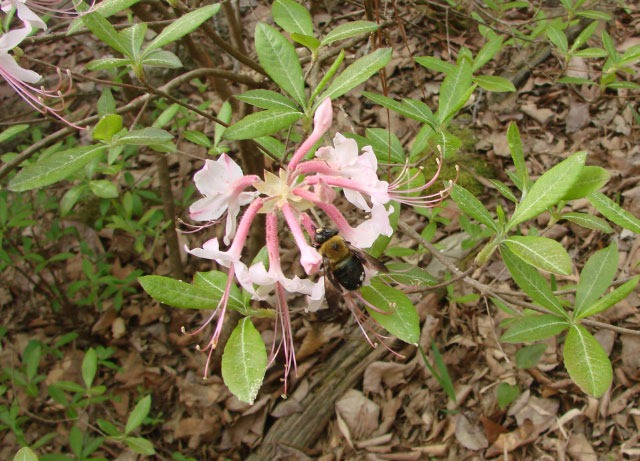
Here you can see a native azalea.

2010 04 02_0057  

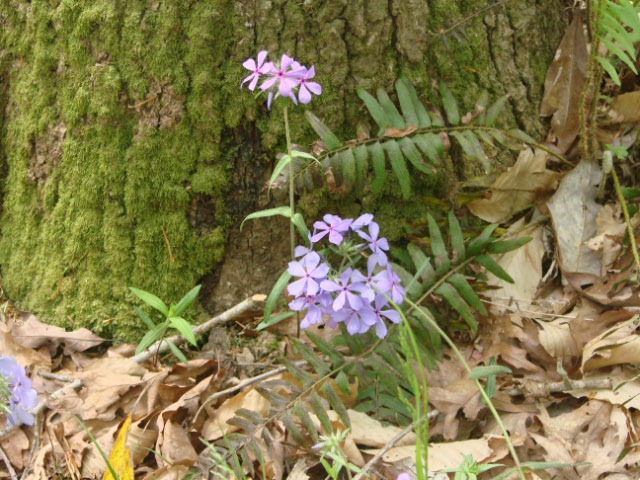
This is a native flox.

2010 04 02_0088 

And I think this was a native sweet olive, though I should have taken closer notes when Jessie was explaining.

2010 04 02_0055  

We saw examples in the cabin and the small visitors center of Miss Dormon’s plant drawings. They are truly exquisite.

2010 04 02_0064

After our tour of Briarwood, we went to Natchitoches, the only large town in this part of Louisiana for lunch. Now pronunciation can be a little challenging anywhere in Louisiana, but this town has possibly the greatest disconnect between letters and sounds. Natchitoches  is pronounced “NACK-uh-tish”. Go figure….

But however you say the name, it is a lovely small Southern town. Founded in 1714, it has the distinction of being the oldest permanent settlement in the Louisiana Purchase. It is located on the Cane River, an oxbow of the Red River.

 Natchitoches42010 04 02_0100

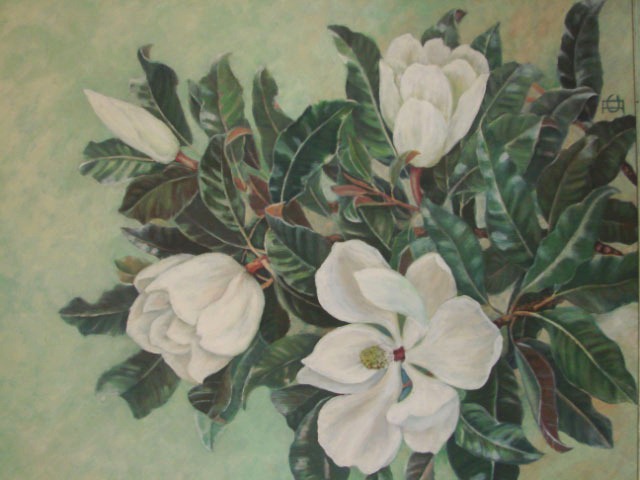
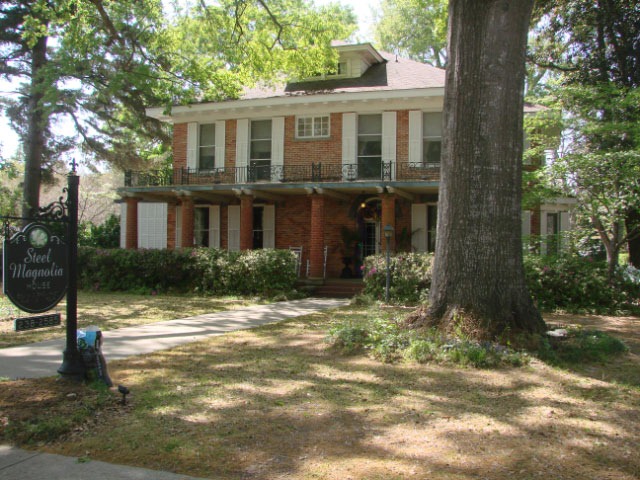
Natchitoches is most famous as the setting for the play and movie Steel Magnolias. This is the house where the characters played by Julia Roberts and Sally Fields lived. It is now a bed and breakfast.

 2010 04 02_0098

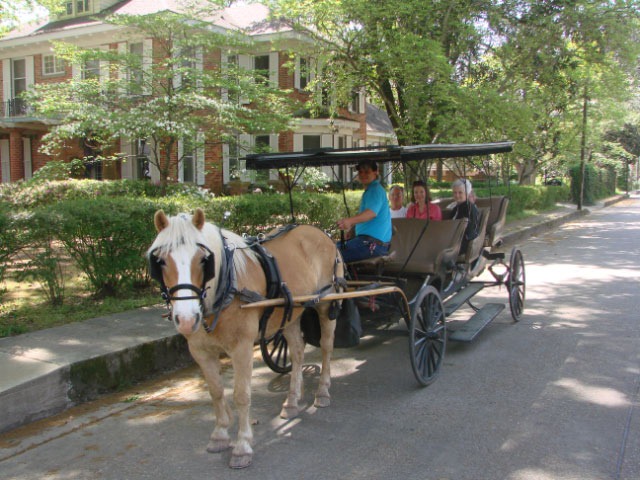
We took a horse cab for a short and very pleasant tour of the town.

 2010 04 02_0099

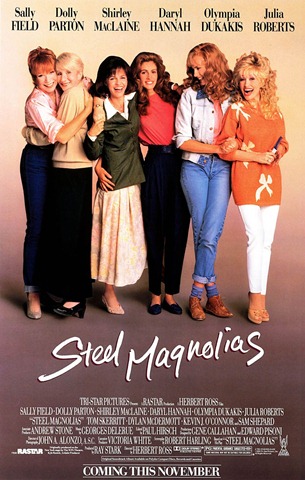
We returned back to Shreveport in the late afternoon. Tom’s daughter, her husband, and their child were in town for the holiday. They live in Texas. They stopped by to talk, but could not unfortunately stay for dinner. Sherry cooked us a nice supper, and we watched Steel Magnolias.

steel_magnolias_xlg

Shreveport

After our lovely dinner Wednesday night, we decided that we really loved Breaux Bridge and the Maison des Amis. We had breakfast at Chez Jacqueline, a nearby restaurant, as a part of our lodgings. The couple from Michigan were seated right next to us and we were joined by the gentleman from England. We had a great time talking, and the food was pretty wonderful, too. Afterwards, as I packed up, John took some farewell shots.

2010 04 01_Breaux Bridge_0002 2010 04 01_Breaux Bridge_0006

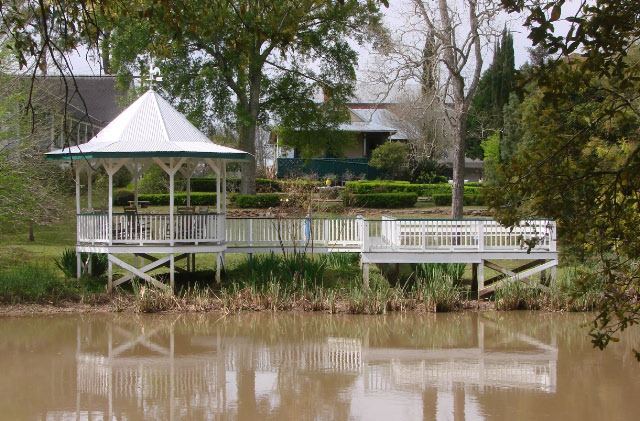
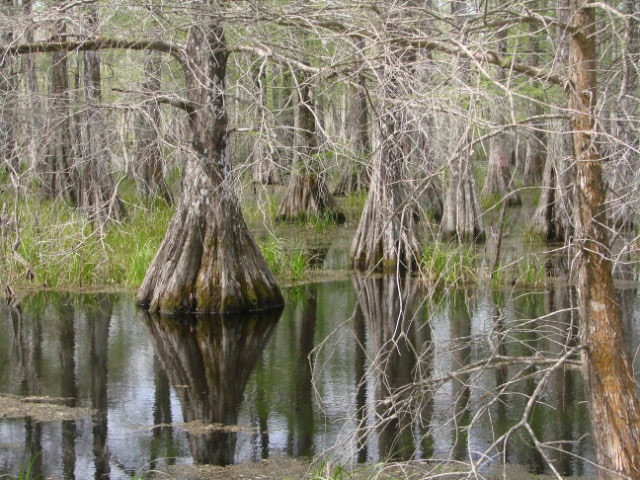
We drove down to Lake Martin just south of town. We had heard that this was a great area for birds, and we were not disappointed. There were lots of mysterious cypress trees ringing the lake, creating the wonderful Evangeline forest primeval atmosphere (to mix up a couple different Longfellow poems) that you want to see in the bayous of south Louisiana.

2010 04 01_Breaux Bridge_0017

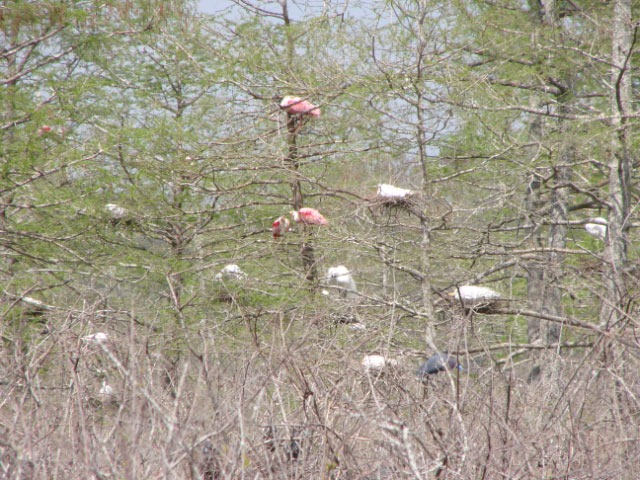
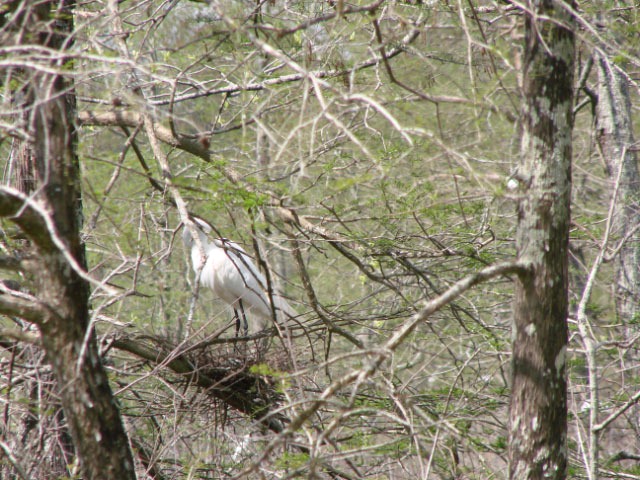
But the amazing thing were the sheer number of birds nesting there. From a distance we thought the pink birds were flamingos, but we later learned they were Roseate Spoonbills. It hardly matters. They were all beautiful.

2010 04 01_Breaux Bridge_0018 2010 04 01_Breaux Bridge_0020

After this, we just drove straight to Shreveport using Interstate 49. This is a fairly empty and surprisingly attractive stretch of highway. Once past Alexandria, the land starts to roll a little and urban sprawl gives way to mixed pine forests. There are few town along the way, and surprisingly little evidence of agriculture. By late afternoon, we were pulling to Sherry’s house.

2010 04 02_0108

Sherry and Tom Giles were excited to see us and we sat around and talked. Of course, this still being Louisiana, she had food ready. This is such an amazing house in the heart of one of Shreveport’s historical districts. They are doing minor renovations like stripping the old wall paper and painting right now. The big renovations, like a new kitchen, will wait for the end of the recession. But even as is, it is a beautiful house.

2010 04 01_00422010 04 01_0041 2010 04 01_0035

In the evening, Tom was serving as an usher for the Maundy Thursday service at Saint Mark’s Cathedral. I went to the Eucharist with him while John and Sherry talked and napped back home. We we returned, we had a lovely dinner and watched a documentary about the restoration of the Laura plantation which we had bought after our tour on Monday.

Cajun Country

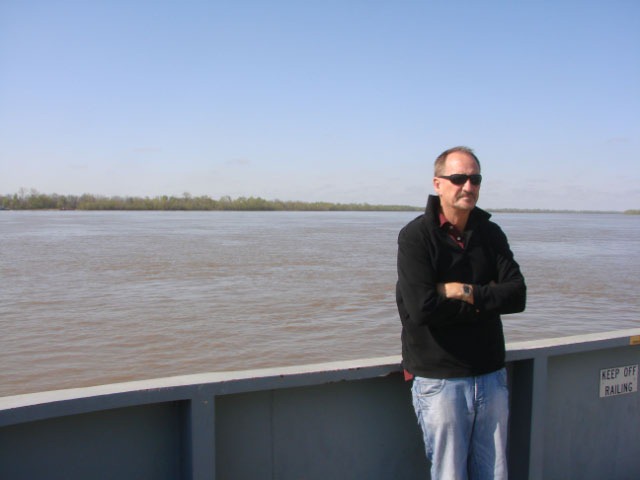
We slept well at the Saint Francisville Inn, despite the garishness of the room’s decor. After a fairly filling breakfast, we left town. To see a little more of the state, instead of going back towards Baton Rouge, we took the ferry across the Mississippi.

DSC07898_0108

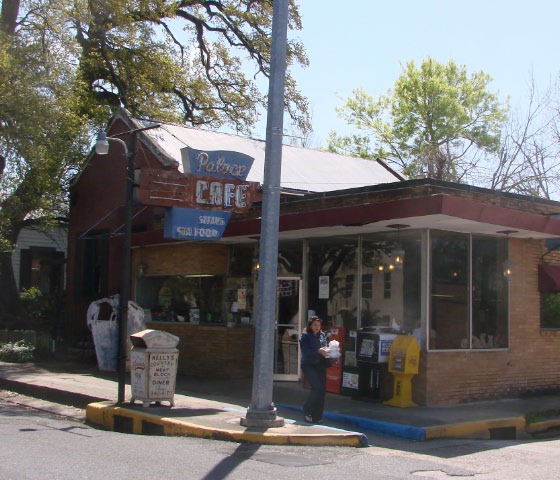
We came first to the town of New Roads. It had little I could see to recommend it other than the False River, an old oxbow lake created when the Mississippi changed course at some point. We continued on the highway towards the small city of Opelousas. John was in a pretty cranky mood by the time we came there, so after a brief stop at the information center and its small cluster of old Acadian buildings, we went to the Palace Cafe opposite the courthouse where he had some coffee and a piece of cheesecake topped with crushed pralines.

DSC07904_0114

Despite its historical significance – Opelousas was the capital of Louisiana in waning days of the Confederacy – and its importance for Cajun culture today – it is the hometown of Paul Prudhomme and the site of the celebrated Cajun joke telling competition – it really does not have that much to offer a visitor. So we pushed on a little further to the town of Grand Couteau.

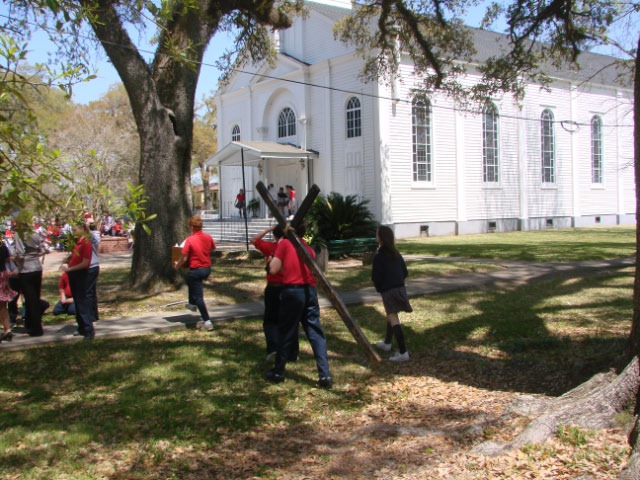
Grand Coteau is an odd little place. The name itself refers to a hill formed by a river, a kind of natural levee. It is one of the few rural communities with a historic district on the National Register of Historic Places. The Catholic Church dominates the town. One of the first Academy of the Sacred Heart schools in the country was established there in about 1820 and about 15 years later the Jesuits established their first seminary in the South in Grand Coteau. The town is mostly black, though almost all the students we saw at both Sacred Heart and Saint Ignatius school were white. The students at Saint Ignatius were having some kind of religious assembly using the steps of the church as a stage. As it was breaking up, John saw one of the students who had a cross to bear (quite literally).

DSC07926_0136

After Grand Coteau, we went on to Lafayette. Almost everyone in Louisiana loves Lafayette, and I am sure it probably has an appealing “laissez les bons temps rouler” quality of life. But as a casual visitor, the city is not particularly appealing. Like so much of Louisiana, it is dominated by hideous commercial development along long streets. Lots of parking, lots of billboards, and not a lot of charm. We were stuck in some miserable traffic to equal what you can find in Los Angeles other large cities. We finally made it to our destination in town, the Acadian Village.

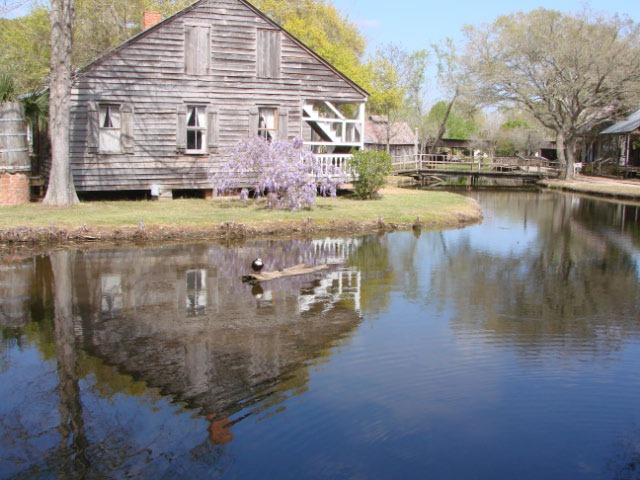
This was interesting, but probably not worth the long trip in bad traffic. It is a collection of historic buildings from the area arranged around an artificial bayou. It was almost deserted when we arrived there. The information provided on the handout and in the buildings themselves was reasonably informative.

DSC07955_0165

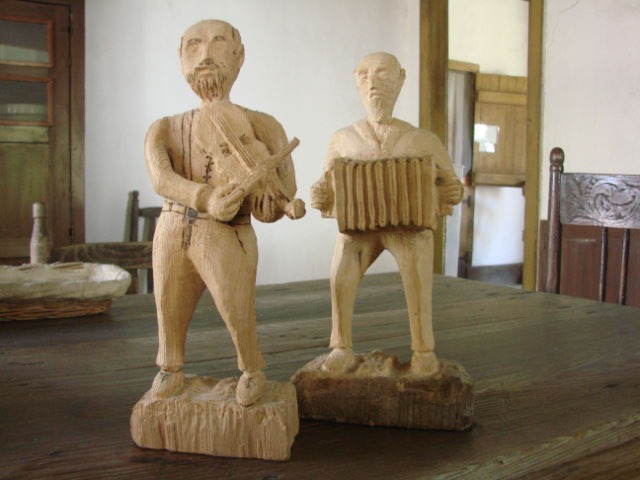
John liked some of the folk art we saw there.

DSC07945_0155

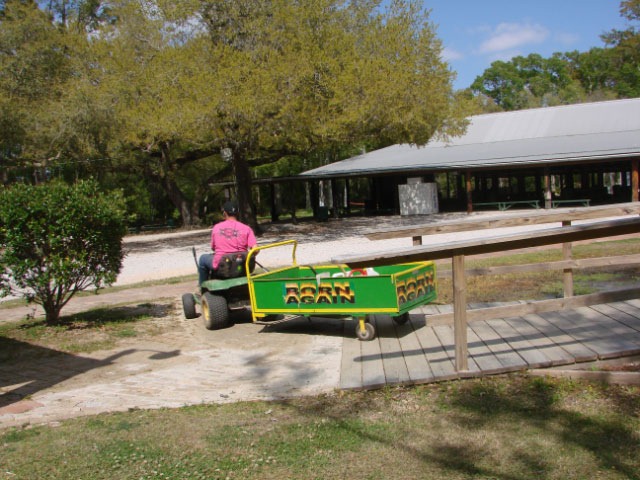
As we walked around, we saw this man doing maintenance work. As a Californian, I was appalled both by the quantity of herbicides he was spraying on every stray weed he saw and also by the message he had sprayed on his cart. Just looking at him I knew that he liked Sarah Palin.

DSC07948_0158

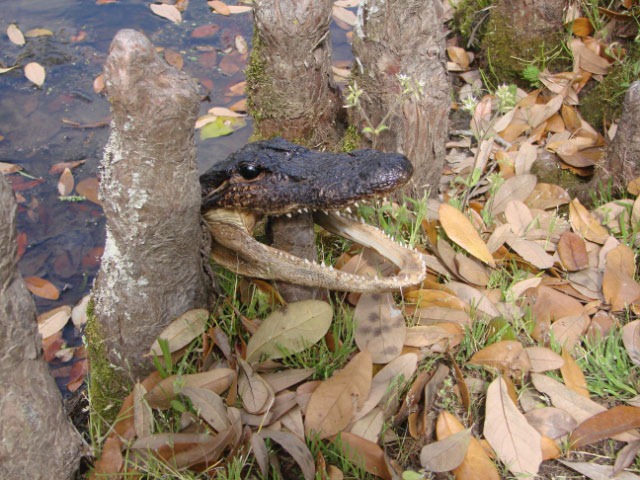
John, of course, can’t resists a cheap kitschy souvenir like this alligator head.

DSC07956_0166

We left Lafayette and went east to Breaux Bridge. Now this is the kind of small, charming town that immediately appeals to a tourist. We were not immediately charmed, however, with our accommodations. The bed and breakfast was charming enough, but it was located in a fairly commercial neighborhood just up the street from the water treatment plant. We did like the back yard of the building, however, which has a little deck overlooking the bayou.

DSC07977_0092

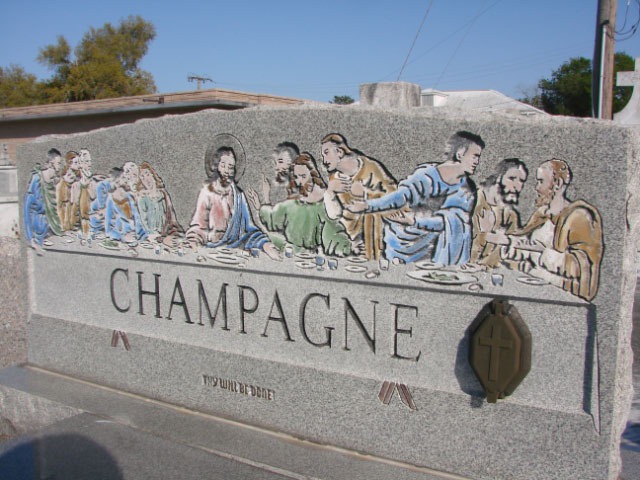
We walked around town. There are a lot of antique shops here, just as there were in Saint Francisville, though I wonder how many people are really buying “junque” these days. The local Roman Catholic parish was an odd building which vaguely looked like it had been a converted synagogue (though apparently it was not). Next to the church was the cemetery. This was the almost the Chelsea Flower Show of fake flowers, and the graves themselves were also fairly entertaining. I liked this one where the monument to the Champagne family seemed to turn into the suggestion that bubbly wine was the beverage of choice for the discerning Messiah who liked a fine last supper.

DSC07963_0173

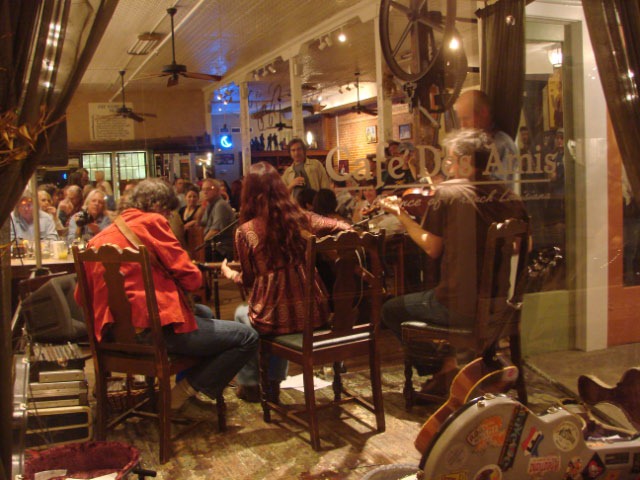
Speaking of suppers, we had perhaps our best meal of the trip at the Cafe Des Amis. We enjoyed live music as you can see in the picture below. John invited Gordon and Judy, two retired teachers from Michigan who are also guests at the hotel, to join us for dinner.

DSC07986_0101

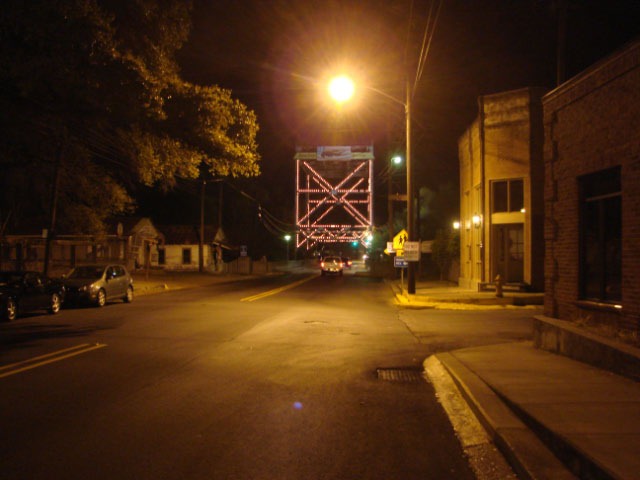
On the way home from dinner, John snapped this shot of the bridge that gives the town its name.

DSC07987_0102

Good Times on the Old Plantation

After the wretched evening, I did not particularly sleep well nor was I looking forward to breakfast with Connie.  She was fortunately both sober and in a pretty cheerful mood, so our breakfast went by well enough. The food was also a bit better than the night before. However, I am starting to get a fondness for grits, and I am not sure what to make of this!

I had a much better feeling for Madewood by the time we left. We walked around the grounds some more a explored the old cemetery on the property. There were quite a number of Pugh graves, though these seemed to disappear by the late nineteenth century, leading me to think that at some point there were no male heirs. And that made me doubt even more Connie’s claim to be some kind of relative to the original owners of the plantation. Oh well, this is a woman who think she may also be a druid and speak in ancient Celtic incantations in her sleep.

We met the current owner of the estate, Keith Martin, as we were leaving. He was pleasant and gregarious, and John in particular had no trouble engaging him in conversation. We knew from some pictures on the wall that he had been to Oxford with Bill Clinton when both of them had been Rhodes Scholars. John somehow tested the waters on politics, and we were relieved to learn that he and his wife are staunch Democrats. In fact, she had just been on a cruise with Rachel Maddow.

We took off for Saint Francisville with the help of the GPS. It took about an hour and a half to get there driving by the outskirts of Baton Rouge. Our first stop was the Rosedown Plantation. This is a state historic park and it is most famous for its garden, one of the oldest in the country. The garden was planted about the same as the house was built in the 1840’s and has been continuously maintained since then. Like the house, the garden is basically done in a neo-classical style.

Felicianas_0041

Despite temperatures which hovered near 80 today, this is still fairly early spring in this part of the world. The camellias and azaleas were coming into bloom, and there were nice displays of tulips and narcissus. I knew most of the plants, though there were a few, such as the ilex below, that were unfamiliar. 

Felicianas_0038

The guidebook we read had suggested that the house was not particularly memorable, but both John and I were quite taken with it. The house was still in the original family until the 1950’s, and it had most of its furnishings intact. One of the best parts was the entryway. The wallpaper here is not original, but is from the same company and era. The floor is also historically accurate:  canvas painted to look like some kind of marble or linoleum. Most of the other rooms had floors covered in woven grass mats. The guide explained that these would have been covered with carpets and rugs in the winter, but that in the humid summer the rugs would have been put away and only the matting would remain. Bare wood floors, however, were not considered proper.

Felicianas_0069

We found this offensive picture on the wall of one of the rooms. It is surprising how much of the “Old Folks at Home” mentality still survives in the South despite so much evidence that the “darkies” were hardly happy.

Good Times Edited 

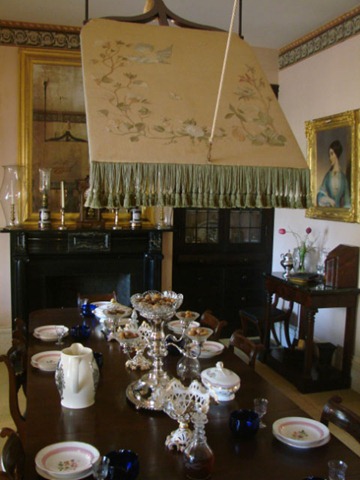
In the picture below, there is another one of the fans used to keep the insects off the food which we had seen earlier at Oak Alley. The guide said that these were first used by the British in India and then came to the South later. The child of the butler was normally the one who pulled it back and forth during the meal.

Felicianas_0076

The nursery would have been home for all the children until they were roughly 14. Unlike the Creole homes, there was apparently no tradition of a “garcionierre” where unmarried males would live away from the rest of the family until marriage. However, they apparently did get their own rooms in the home at this point.

Felicianas_0083-1 

After we finished the tour, we continued on into the town of Saint Francisville. This part of Louisiana is historically closer to Florida and the rest of the South and has little French influence. It was West Florida and was a British holding for a while. It was not part, therefore, of the Louisiana Purchase. In 1810, West Florida  declared itself an independent republic for some 70 odd days until American troops came in and summarily annexed it to their new state of Florida. For those couple months. Saint Francisville was its capital.

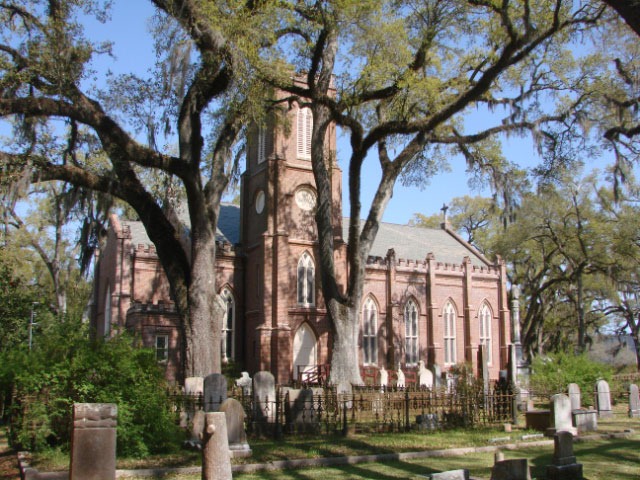
Since this was a British and then American town rather than a Creole French one, Protestant churches dominate rather than the Roman Catholic. The most imposing church in town, built on the highest spot over the river, is Grace Episcopal Church. It is done in the typical Gothic Revival of the early 19th century, but only brick instead of stone is used.

Felicianas_0086-1

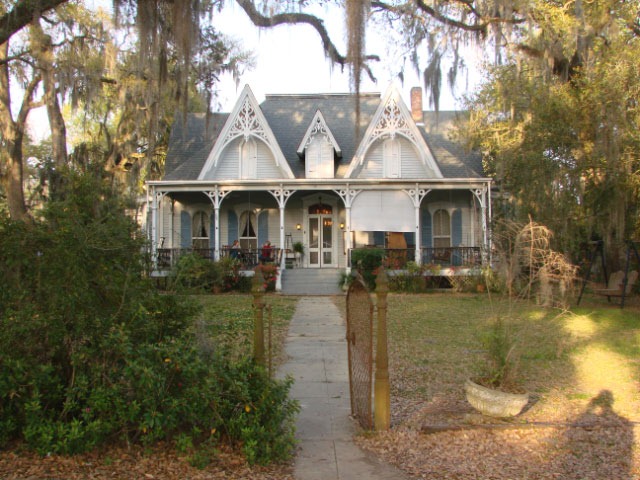
The rest of the town is pretty. It looks more like a well-to-do New England or Midwestern town than what we saw in the other parts of the state. This is the front of our hotel, the Saint Francisville Inn. It is really not as nice as the picture suggests:  the rooms are in back in a motel-style structure behind the house. The house itself is used for the breakfast room and as the personal quarters of the owners’ family. Still, this house is pretty typical of homes in this little town.

Felicianas_0002-1

We had a mediocre but inexpensive dinner at the only restaurant – more of a diner, really – open in town. I think that tourism boomed here a few years ago, but that things have been hard recently. Tomorrow, we go back to the heart of Cajun country.

Plantations

I awoke to discover that we were famous. Well, not really, but there on the front page of the Times-Picayune was a picture of the parishioners of Saint Anna’s marching down Esplanade, and there on the left side of the picture was John. I pointed it out to Leigh, one of our hosts, and she seemed equally excited. She laughed, “You’ve only been here one day and you’ve already made the front page of the paper!” John was even happier – well, he was after he had had his first cup of coffee.

We packed up and called a cab. We were scheduled to pick up a car from the Hertz office in downtown New Orleans. Leaving town was surprisingly easy and it took us only about 45 minutes to arrive in Vacherie. We were going to explore the River Road, the home of some of the great antebellum plantations of Louisiana.

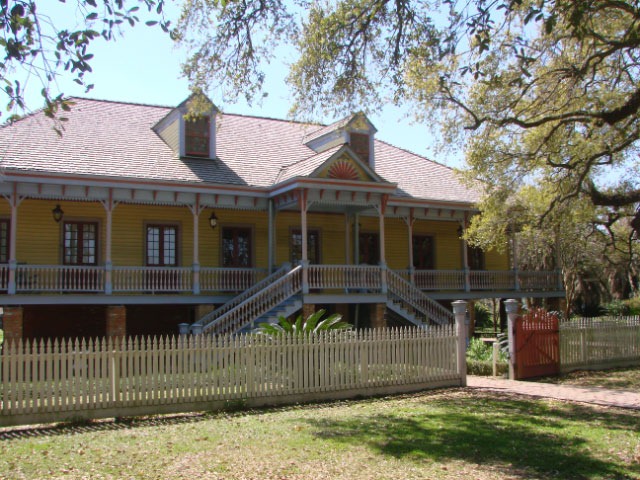
Our first stop was probably one of the most historically typical plantations, though miles removed from the image implanted in childhood imaginations from Gone With the Wind. This plantation was called “Laura” and it billed itself as a “Creole” plantation. The narration from our guide here was really interesting. He pointed out a couple things about the house itself. First, he noted how brightly it was painted in garish colors, more typical of the West Indies than our idea of southern living. The French-speaking planters, still the majority for a hundred years after the Louisiana purchase, sought to distinguish themselves as culturally as possible from their English-speaking neighbors, and bright colors were useful to immediately proclaim that this was a Catholic and French-speaking home. Secondly, he pointed out how small the house was. The Creole planters lived in New Orleans as much as possible, and certainly did so during the winter social season. This was more a working farm than a house, and the family only lived here when it was necessary to plant and harvest the sugar cane crop.

Plantations-01 

There are apparently more documentation for this history of this house than there are for most Creole plantation houses mostly because Laura, the last and most reluctant family owner, wrote down the history for her children. She was apparently appalled by Gone With the Wind and she wanted them to know what plantation life was really like, and particularly how brutal it often was. In the basement of the house there are full-size statues of the various early family members. It is a little cheesy, but it helped as the guide told about the beginnings of the farm.

Plantations-02

There house itself is no more than 1600 square feet, smaller than an average American tract home today. Although furnished with period antiques, you could tell that it was not particularly fancy furniture for its time.

Plantations-03

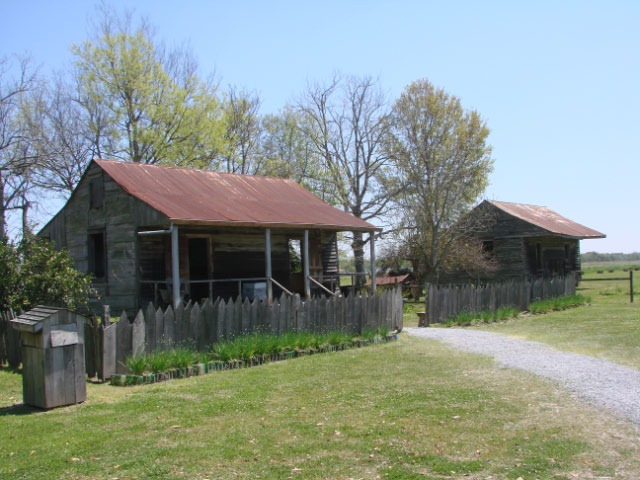
The best part of this tour was its frank discussion of slavery. It is pretty typical in Louisiana to hear about how the Code Noir was more humane that the typical southern slave law and that there were more free people of color here than anywhere else in the south. This may have been true in theory, our guide noted, but who was really enforcing these laws? There were a number of extant slave cabins on this property, many of which have been destroyed on other plantation. Each building below houses two families, at least 5 people sharing an 8 foot by 8 foot room. “Laura” was a sugar plantation – the soil below Baton Rouge is not dry enough for cotton – and it was both an extremely lucrative crop for its owners and one which required intense and crushing labor for its production.

Plantations-04

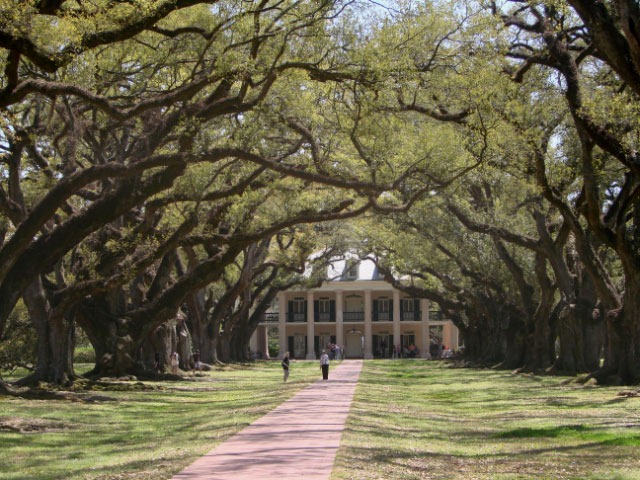
Our next plantation is probably the most famous on the River Road, Oak Alley. It has been featured in many films particularly Hush, Hush, Sweet Charlotte. This was also a plantation built for French-speaking planters, but it was built in the late 1840’s as the craze for Greek Revival architecture had hit New Orleans. It looks more typical of the plantation homes that the Americans built. It takes its name from the allee of Virginia Live Oaks which run from the house to the River. These had been planted perhaps a century earlier by an unknown first resident.

Plantations-06

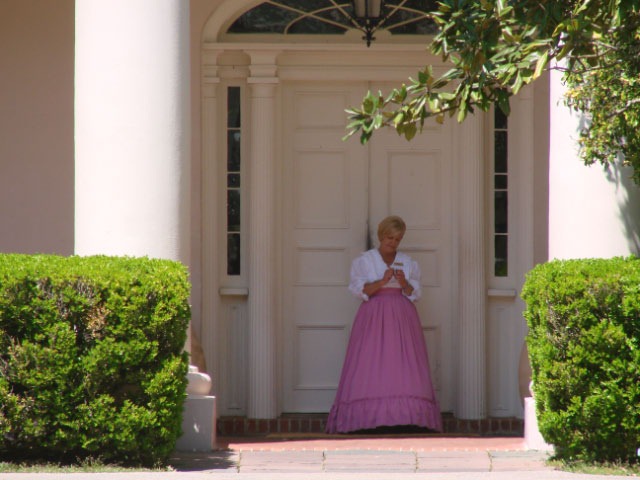
Our tour guide here was Gilda, shown below. We liked her. She had the perfect hard inflections of the Cajun accent and a gravelly voice which sounded like she had spent more of her life on a bar stool. But she did a good job with her script. Oak Alley is more a monument to the gracious Confederacy myth of Gone With the Wind.

Plantations-05

The most interesting part of the narration discussed all the different ways they built the house to stay cool. The house is basically made of brick, and the walls are 18 inches thick in spots. This, of course, helps keep it cooler. The veranda shade every window completely. Incidentally, the columns are also made of brick covered with wood and plaster. The rough wood floors were originally covered with marble.We could not take pictures inside the house, and there was not much of interest there except a huge fan which hung over the dining room table and which would have been swung back and forth during the meal to keep the insects away.

We stopped by Thibodeaux to see the Wetlands Acadian Cultural Center. It was a big disappointment, and we did not stay long. The town itself is pretty ugly. I sometimes read a blog by a woman who lives in Thibodeaux. She never made it sound particularly wonderful, but I somehow thought it was a bit more picturesque. There are a couple cute blocks downtown, but the pointless commercial sprawl reminded me of Biddeford, Maine.

We continued on to Napoleonville where we are staying the night. John had read about Madewood, one of the plantation homes which is operated now as a bed and breakfast. Madewood is on one of the major bayous, not on the river itself. Like Oak Alley, it is done in a Greek Revival style. It is an American plantation, not a Creole one, and its original owners came from Wales through North Carolina.

Plantations-08

Plantations-07

We were greeted by fellow guests who introduced themselves as Connie and Herb. Connie asked us where we were from and pointedly said she hoped we were not from “the Northeast”. She laughed loudly as she made these comments. I noticed that both she and Herb were drinking.

John and I found our way to our room and looked around the place. It was not quite as wonderful as it seemed in the guidebook. Our room was clean and neat and had two large antique beds. We walked around the house – it was sort of neat to have the run of the place – and looked in all the rooms. It just did not have that kind of Tara feel that I guess I expected. It seemed more like the place that the rich people in town live in a Faulkner novel or a Hellman play. There seemed a real sense of trying to recapture and preserve a past that was irretrievably gone, no matter how much Spanish Moss you hang on the trees.

Plantations-09

Still, this is hardly unique to Madewood. It seems to be the story of almost all the plantation houses we have seen, and it is certainly one of the great cultural narratives of the South.

The downside of staying in any kind of bed and breakfast is that your experience largely depends on your fellow guests. If I had been staying at Madewood with a large group of interesting people, I would have had a great time. Unfortunately, our only other guests were Herb and Connie. The rest of the evening was a nightmare.

Connie had only just started drinking when I met her on the patio. John and I dressed for dinner, as requested, and went down to the parlor for wine and cheese. Connie and Herb were still looking like they had just left a NASCAR event and both were drinking the wine pretty freely. I looked at the two of them and just saw John’s cousin Diane and her husband Jim. As Yogi Bera famously said, déjà vu all over again.

We managed to stay off politics for most of the evening, though I do vaguely remember some reference to “goddamn Obama” somewhere.  They apparently did fairly well flipping houses before Katrina, but they lost most of what they had made when the hurricane destroyed a couple of properties they were preparing to sell in New Orleans. As long as we stayed on the hurricane or their adventures living somewhere on the outskirts of San Diego – the trailers by the Salton Sea were all that I could visualize though I am sure it was better than that – we were safe. The conversation took some strange turns. Connie announced that she was a Pugh and therefore related to the people who had originally owned this place. She also confided in us that the Pughs were witches and warlocks in Wales and that sometimes in her sleep she spoke in the ancient Welsh language. Herb tried to quiet her every time she moved into this topic.

Dinner was OK. David, our cook, had put some time into it, but it had been served up in the kitchen and was already cold by the time we had it. After dinner was over, we retired for coffee and brandy to the parlor. This was when I could not stand it any more and I left for me room. John hissed “Coward” at me and stayed around for longer. I just dread breakfast tomorrow.

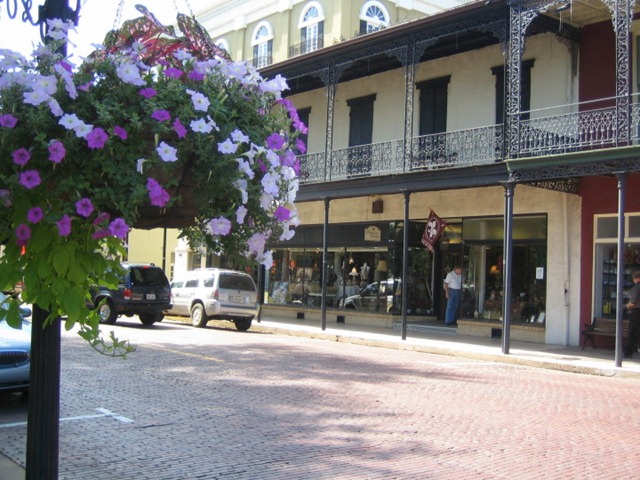
Dixieland Sunday

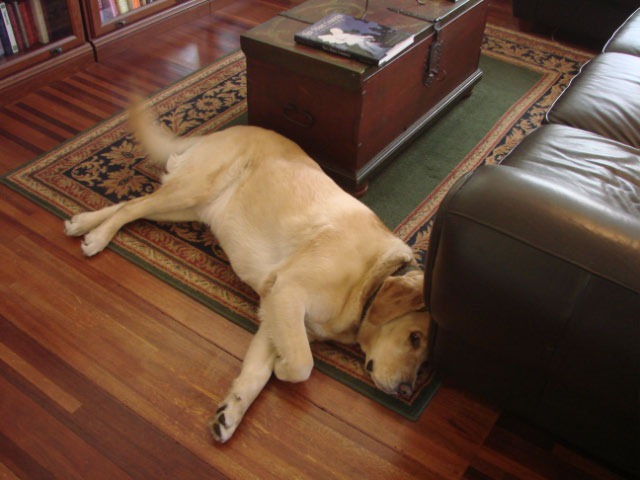
Our first full day in New Orleans started with breakfast. We were greeted by Zeke, the owners’ dog, taking a nap just outside the door of our room. I think Zeke takes lots of naps when he is not eating.
2010 03 28_0005

We had a pleasant – and reasonably low-calorie, I hope – breakfast of yogurt and granola in a parfait glass. I read the paper and John chatted with the other guests.

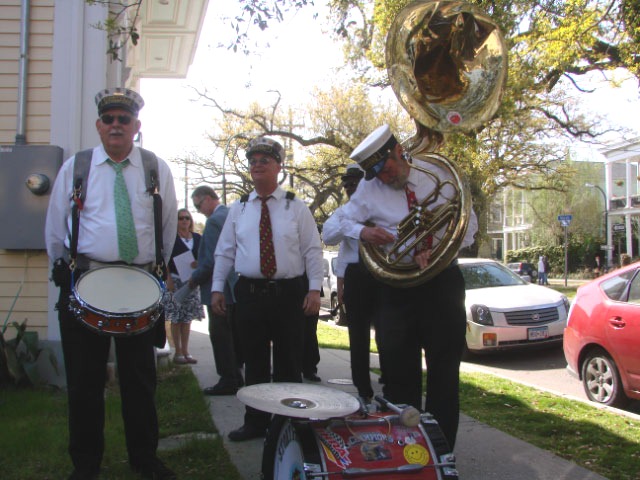
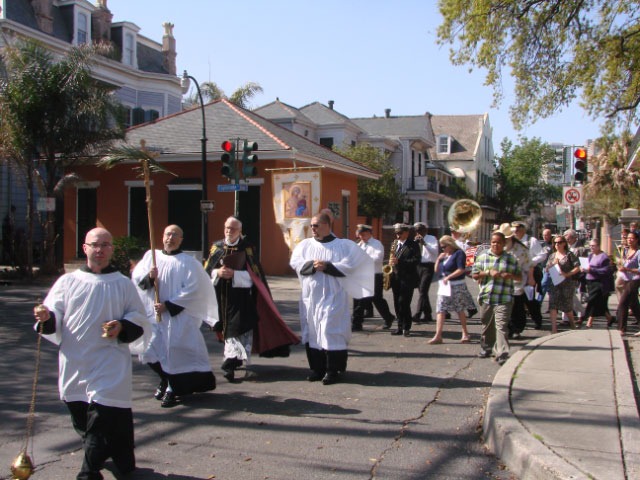
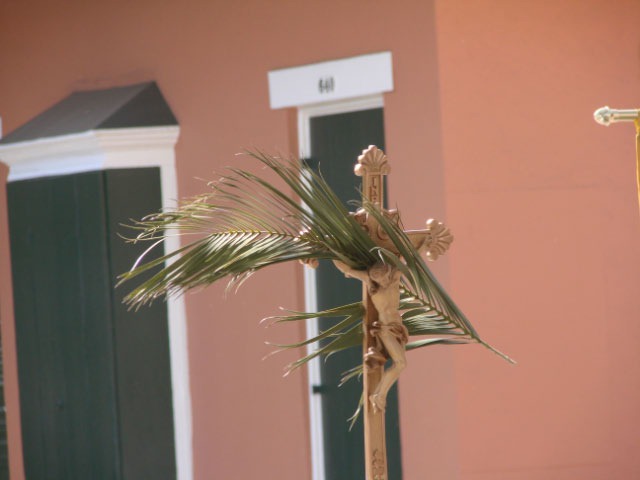
We then went off to Palm Sunday services. I figured we would just go to the local Episcopal church for this area. I heard that they did a big procession for this last Sunday in Lent, but I was really delighted by what we found. We had the Storyville Stompers, a Dixieland band, leading us!

2010 03 28_0040

We marched up and down Espanade Street, the area which divides the French Quarter, the Faubourg Marigny, and the Treme districts. Along the way parishioners – there were about 100 of us – handed out extra palms to neighbors and others who had come out to watch.

2010 03 28_0077

We had a few stops along the way – stations, if you prefer your terminology correct – for psalms, songs, and prayers. The music was not particularly “Episcopal”. The band played “What a Friend We Have in Jesus” and “In the Sweet By and By.” But it was fun.

2010 03 28_0071

The service was not as much fun as the procession. The rector preached a passionate sermon about the passion continuing with victims of violence in modern times. There were particular reference to a family here in New Orleans who were senselessly shot by a young relative earlier in the week. This has been the big story dominating the news here as it really illustrates how the social fabric of this city seems to have disintegrated in the aftermath of Katrina.

We stayed for coffee and chatted with some of the people. We had a particularly interesting talk with several young white guys who had come here to be part of the post-Katrina reconstruction effort. One was with Teach for America and the others were working for similar kinds of organizations. They talked about the “brain gain” which has characterized New Orleans in recent years. I hope it continues.

After Mass we went to Jackson Square where we took a walking tour of the French Quarter. It was a bit of a dud. The group was quite large and it was hard to hear the guide at times. There were a few things she pointed out that I had not seen before but not much.

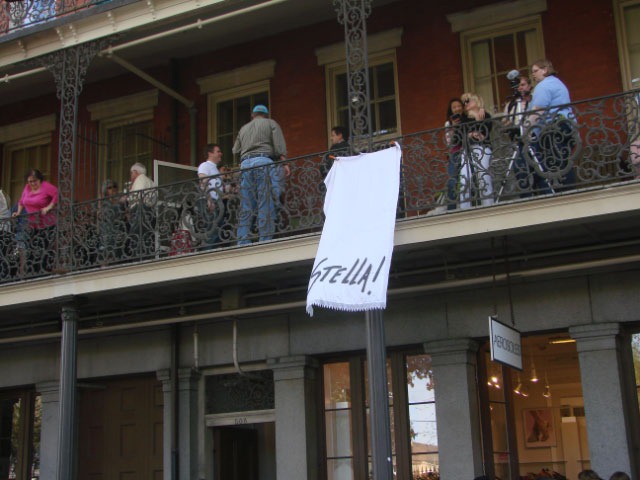
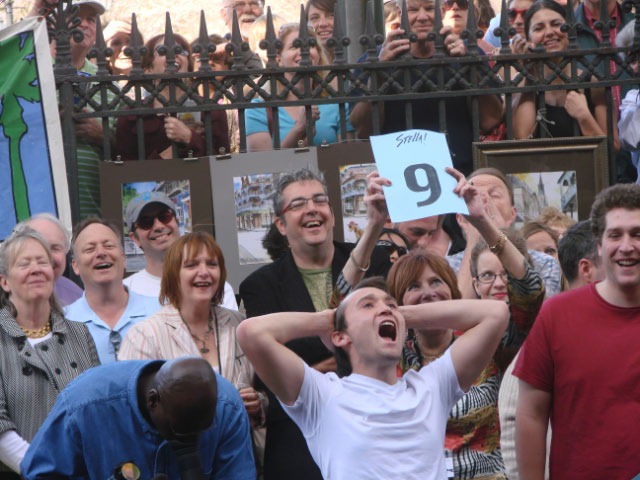
Hardly disappointing, however, was the Stanley and Stella screaming contest which concludes the annual Tennessee Williams festival. Here a number of volunteers try their hands at doing a Marlon-Brando style yell. It was fantastic. There was even a mime who did it silently!

2010 03 28_01402010 03 28_0117

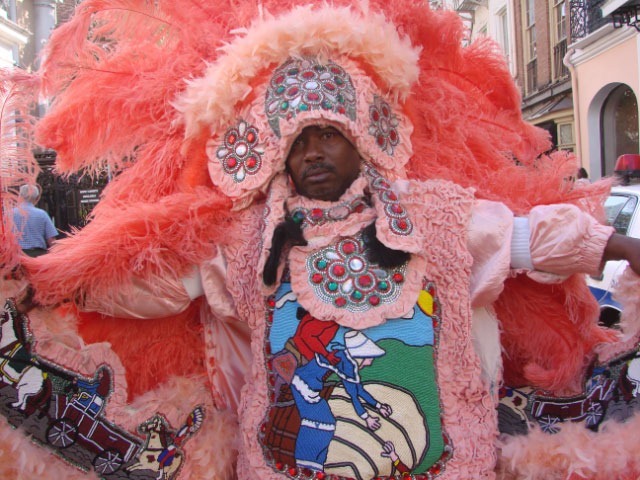
We did not quite know what to do after this, so we decided to do our own walking tour of the garden district. On our way to catch the Saint Charles Avenue streetcar, we saw one of the “Mardi Gras Indians.”

2010 03 28_0144

The Garden District is one of probably my favorite neighborhood in the city. (I like my urban environments clean, green, and affluent. I am just not cut out for India.)

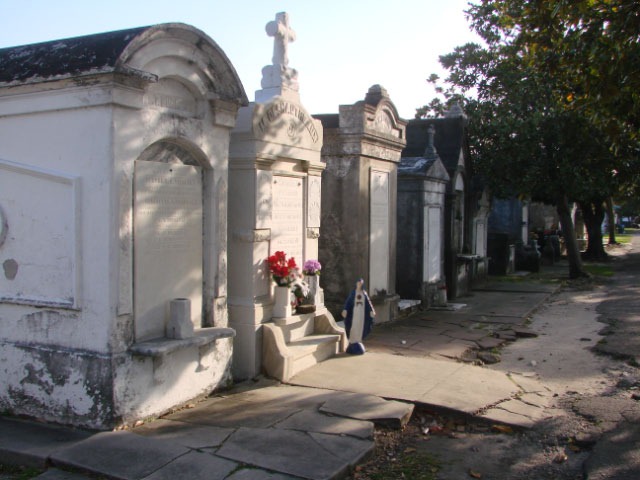
We were disappointed that the Lafayette Cemetery was closed, but we did get a snapshot over the fence.

2010 03 28_0148

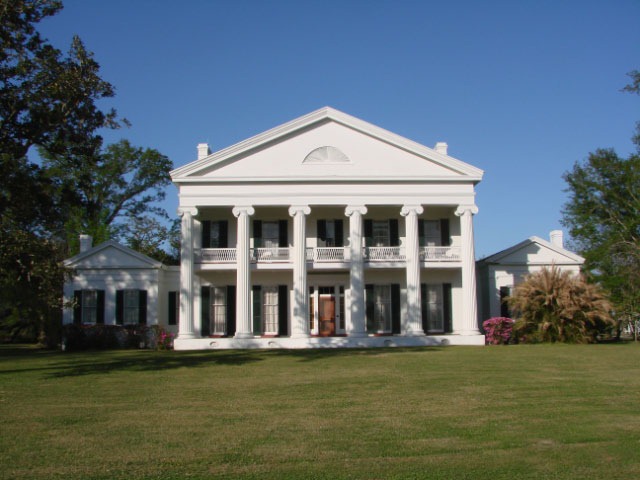
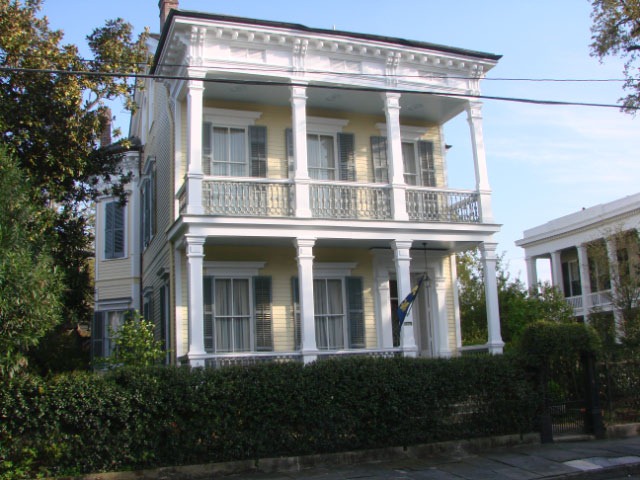
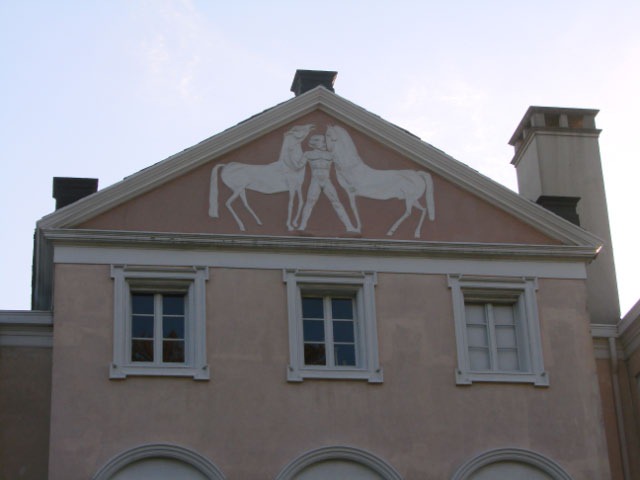
The Garden District is famous for its collection of homes from the 1840’s and 1850’s, many, like the one below, in a Grecian Revival style. They are all beautiful.

2010 03 28_01522010 03 28_0002

We had dinner at Luke (it’s supposed to have an umlaut over the u but I can’t figure out how to do that in HTML), a restaurant owned by local celebrity chef John Best. I had this amazing dish of local prawns in a spicy sauce over grits.